
"Sri Lanka"
600 article(s) found

An introduction to the Manor of Arabica Bean Price producing area characteristics and Flavor description in Yunnan
Coffee made from Yunnan coffee beans Arabica beans is of higher quality and tastes different than other commercially grown coffee varieties (such as Robusta), and the coffee contains less caffeine. The traditional processing method is to harvest coffee berries manually, peel them on the same day, and use manually selected coffee beans to be ground and boiled after baking. With fresh milk, it won't make

Asian Coffee Association President: Asia's coffee industry welcomes unprecedented opportunities
Professional coffee knowledge exchange More coffee bean information Please pay attention to Coffee Workshop (Weixin Official Accounts cafe_style) 2018 Asian Coffee Annual Conference held in Dehong, Yunnan Province. Coffee industry representatives from China, Sri Lanka, Nepal, Vietnam, Indonesia, Thailand, Myanmar, Malaysia, India and other countries attended the meeting to discuss the prospect of Asian coffee industry. Asian Coffee Association

Southeast Asian coffee Indonesian coffee Java coffee full-bodied boutique coffee
Southeast Asian coffee visiting tour Indonesian coffee. Indonesia has always been one of the best coffee producers in the world. Java coffee used to be synonymous with top coffee, while Sumatra and Sulawesi are also rich in top coffee. Coffee was introduced by the Dutch in the 17th century, when Ceylon (Sri Lanka) began to grow coffee, all Arabica coffee. This kind of coffee
Sumatra manning boutique caffeine full-bodied gentleman's coffee
One of the most famous and most needed coffee in Asia. The appearance of Mandarin beans is arguably the ugliest, but coffee fans say that the more ugly the Sumatran coffee beans are, the better, mellow and slippery they are. In the 17th century, the Dutch first introduced Arabica saplings to Ceylon (present-day Sri Lanka) and Indonesia. In 1877, a massive disaster struck Indonesia.
The full-bodied gentleman of Sumatra Manning coffee beans.
One of the most famous and most needed coffee in Asia. The appearance of Mandarin beans is arguably the ugliest, but coffee fans say that the more ugly the Sumatran coffee beans are, the better, mellow and slippery they are. In the 17th century, the Dutch first introduced Arabica saplings to Ceylon (present-day Sri Lanka) and Indonesia. In 1877, a massive disaster struck Indonesia.
What are the skills of making coffee? Lindong Coffee Manor, Sumatra.
Let you easily taste the lively factor in the mild fragrance, and its outstanding taste captivates many suitors. In the 17th century, the Dutch introduced Arabica seedlings to Ceylon (present-day Sri Lanka) and Indonesia. In 1877, a large-scale disaster hit the Indonesian islands. Coffee rust destroyed almost all coffee trees and people had to give up.

How is coffee pronounced in countries with different pronunciations around the world?
Have you ever thought about how coffee is pronounced in different countries? Let's learn the pronunciation of coffee in some of the following countries. Afrikaans: koffie (coffee) Albania: kafe (pronounced KA-fey) Amharic: sodium butadiene rubber (pronounced boona) Arabic: qahioa qahua or qahwe (Q's throat, obviously low voice, which sounds more like together (for example) Fei A

Indonesia Manning Coffee Bean Flavor taste Manor production area introduction to Fuyin Manor Indonesian coffee beans
Mantenin's leaping acid mixes with the richest aroma, making your relaxed body manning coffee lively in a mild fragrance, and its outstanding taste captivates many suitors. In the 17th century, the Dutch introduced Arabica seedlings to Ceylon (present-day Sri Lanka) and Indonesia. In 1877, a large-scale disaster struck Indonesia

Introduction to the Grinding degree of Highland Coffee Bean Arabica Price producing area characteristics, Flavor description treatment method
Coffee made from Arabica beans is of higher quality and tastes different than other commercially grown coffee varieties (such as Robusta), and the coffee contains less caffeine. The traditional processing method is to harvest coffee berries manually, peel them on the same day, and use manually selected coffee beans to be ground and boiled after baking. With fresh milk.

Full-bodied Mantenin coffee beans introduce boutique coffee
Mantenin Coffee-the amorous Mantenin leaping slightly acid mixes with the richest aroma, giving you an easy taste to the lively factor in the mild fragrance, and its outstanding taste captivates many suitors. In the 17th century, the Dutch introduced Arabica seedlings to Ceylon (present-day Sri Lanka) and Indonesia. In 1877, a large-scale disaster struck the Indonesian islands
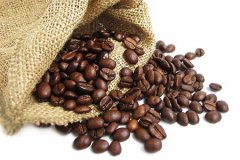
Sumatra Mantelin Coffee Flavor Introduction Mantelin Coffee Flavor Characteristics Mantelin Coffee
One of Asia's most famous and in demand coffees. Mantenin beans are arguably the ugliest on the outside, but coffee fans say the uglier the sumatra beans are, the better they taste, the mellower and smoother they get. Arabica saplings were first introduced to Ceylon (present-day Sri Lanka) and Indonesia by the Dutch in the 17th century. In 1877, a massive disaster struck Indonesia.
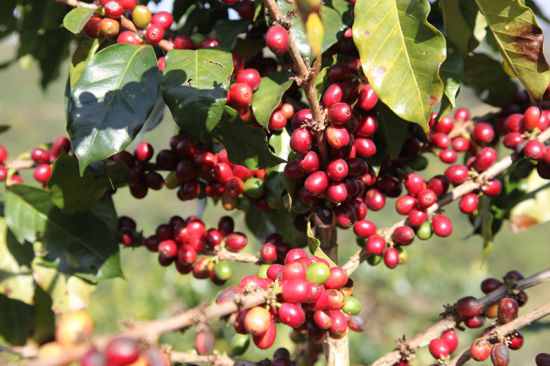
How to grow Arabica coffee beans, one of the most important coffee trees in the world?
Arabica species (scientific name CoffeeArabica). The origin of Arabica species is Ethiopia's Abyssinia Plateau (present-day Ethiopian Plateau). In the early days, it was mainly used as medicine, and in the 13th century it developed the habit of baking and drinking. It was introduced into Europe through the Arab world in the 16th century and further became a favorite drink all over the world.
The gentleman in coffee, Sumatra Manning, grew up between 750 and 1500 meters above sea level.
In the 17th century, the Dutch first introduced Arabica saplings to Ceylon (present-day Sri Lanka) and Indonesia. In 1877, a large-scale disaster hit the Indonesian islands, coffee rust destroyed almost all the coffee trees, people had to give up Arabica, which had been in operation for many years, and introduced the disease-resistant Robusta coffee tree from Africa. Today

Introduction of Indonesian Mantenin Coffee Bean with fragrant Woody flavour
In the 17th century, the Dutch first introduced Arabica saplings to Ceylon (present-day Sri Lanka) and Indonesia. In 1877, a large-scale disaster hit the Indonesian islands, coffee rust destroyed almost all the coffee trees, people had to give up Arabica, which had been in operation for many years, and introduced the disease-resistant Robusta coffee tree from Africa. And Sue

Yega Xuefei Snow Coffee Yega Xuefei Snow Coffee Snow Coffee
Professional Coffee knowledge Exchange more Coffee Bean Information Please contact Coffee Workshop (Wechat account cafe_style) Front Street-Essex, Ethiopia, Ethiopia and Ethiopia

Characteristics of Indonesian Mantenin coffee beans with large granules and hard beans
The gentleman in coffee, Sumatra Manning, is a fine coffee bean growing in the plateau and mountain area at an altitude of 750-1500 meters. In the 17th century, the Dutch first introduced Arabica saplings to Ceylon (present-day Sri Lanka) and Indonesia. In 1877, a large-scale disaster hit the Indonesian islands. Coffee rust destroyed almost all the coffee trees and people had to put them.

Introduction of Manning Arabica Coffee Manor with characteristics and Flavor description
Although coffee shops are now full of variety, in the final analysis, there are only two kinds of artificial coffee, one is Arabica, the other is Coffea robusta (canephora), both of which are introduced from wild species. However, it has low resistance to dryness, frost, diseases and insect pests, especially to the biggest natural enemy of coffee, leaf rust, so all producing countries are committed to improvement.

Introduction to the Source, characteristics, Flavor description and Taste varieties of Mandenin Coffee beans in China
Introduction to the Origin, characteristics, Flavor and Flavor of Chinese Manning Coffee beans in the 17th century, the Dutch first introduced Arabica seedlings to Ceylon (present-day Sri Lanka) and Indonesia. In 1877, a large-scale disaster hit the Indonesian islands. Coffee rust destroyed almost all coffee trees and people had to give up Arabica, which had been in operation for many years.

Coffee Bean Java Coffee Flavor Introduction Full of Taste
Among the coffee-producing Asian countries, Indonesia is one of the most noteworthy. Indonesia is an island country in the Indian Ocean, with islands on either side of the equator, three of which: Java, Sumatra and Surawesi produce globally important coffee. In the mid-17th century, the Dutch brought coffee trees to Ceylon (Sri Lanka) and Java in Indonesia. 18th century, India

Java Coffee latest introduction Fine Coffee latest details
Among the Asian coffee-producing countries, Indonesia is a very noteworthy one. Indonesia is an island country in the Indian Ocean, the islands are distributed on both sides of the equatorial line, of which three islands: Java, Sumatra and Sulawesi produce the world's important coffee. In the mid-17th century, the Dutch brought coffee trees to Ceylon (Sri Lanka) and Java, Indonesia. India in the 18th century